If you're serious about improving your game, one decision you'll make more often than any drill or tactic is choosing the right padel racket. I’ve tested dozens of frames across brands and levels, and I still turn to specialist shops—like Bandeja Shop on the French Riviera—when I want expert advice, the latest models, or to try a racket in person. In this guide I’ll walk you through everything I look for when buying a padel racket in Europe and why Bandeja Shop is one of the best places to get it.
Why the right padel racket matters
A padel racket isn’t just a piece of equipment—it's an extension of your body on court. The wrong weight, balance, or shape can slow your reaction, reduce control, or increase injury risk. Conversely, the right racket helps your timing, improves shot accuracy, and even gives your volleys and smashes more confidence. When I choose a racket, I think about three core things: control vs power balance, comfort (vibration and grip), and the shape/weight that matches my movement and role on court.
Understanding racket shapes and what they mean for your game
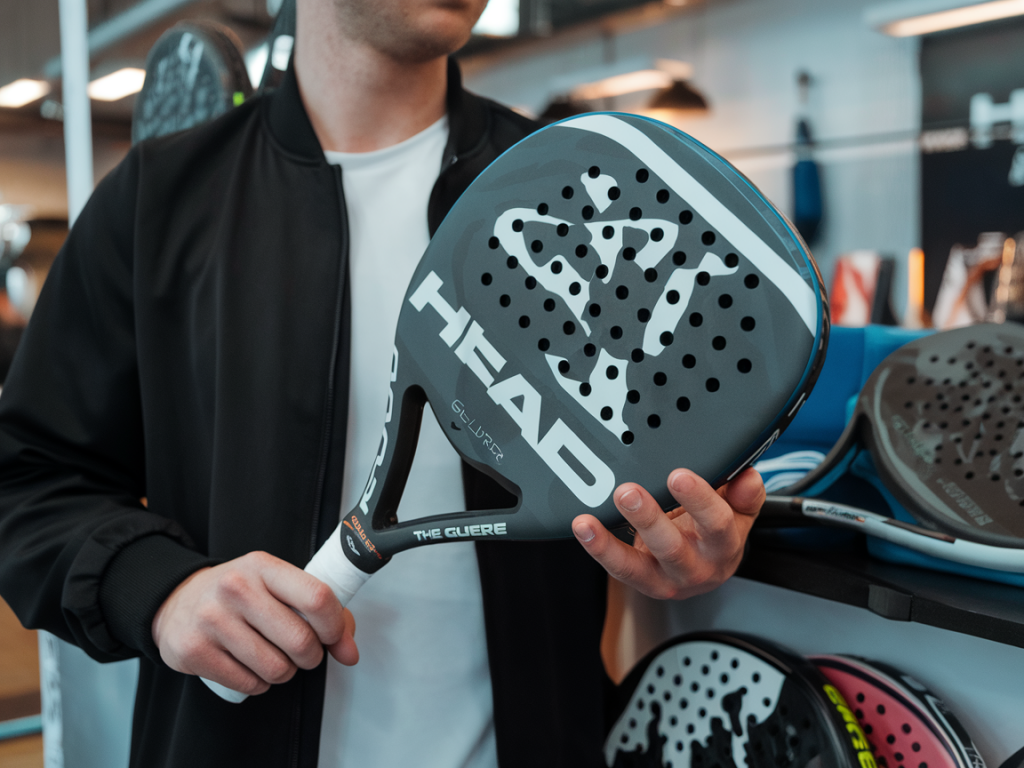
Most brands organize their models into shapes that fundamentally alter feel and performance. Below I summarize the practical differences—I've tested these across Bullpadel, Nox, Head, Adidas, Wilson, Siux, and Babolat models and used these observations to help recommend fits to players I coach.
| Shape | Primary characteristic | Who it suits |
|---|---|---|
| Round | Maximum control, larger sweet spot | Beginners, defensive players, doubles players who play at the net |
| Teardrop | Balanced between power and control | All-round players who want versatility |
| Diamond | Power-oriented, higher sweet spot | Aggressive players, strong servers/smashers |
That table is a practical cheat-sheet. Personally, I prefer a teardrop for practice and a slightly head-light diamond for matches if I’m relying on power. But weight and core hardness also change that feel dramatically.
Weight, balance and core hardness: the subtle details
Weight is more than a number. A 360–370g racket feels very different depending on whether it's head-heavy or head-light. I always ask to swing the racket first. If you play doubles at the net often, a lighter, head-light racket gives me quicker reflexes and less shoulder strain. If you’re trying to generate power from the baseline, a slightly head-heavy racket helps—but only if your shoulder and technique can handle it.
Core hardness affects control and impact feedback. Softer cores (e.g., EVA soft) absorb impact and provide more feel for touch shots and lobs; they’re friendlier on the arm. Harder cores give more ball rebound and power but can feel harsher on volleys if your timing is off. When I’m coaching a player with shoulder issues I steer toward softer cores and slightly lighter frames.
How I test a racket before buying
- I check the balance by doing a quick wrist flick to feel the head weight and simulate rapid net exchanges.
- I test volleys and smashes—if the racket requires exaggerated body movement to produce power, the balance might not suit my style.
- I try serve returns and defensive lobs to measure control and sweet spot forgiveness.
- I evaluate comfort: vibration on mishits and grip feel after 30–40 minutes of rallying.
Why I recommend specialist stores like Bandeja Shop
Bandeja Shop isn’t just another online retailer. Based in Vallauris, they specialize exclusively in padel and carry an extensive catalog featuring top brands. That focus means knowledgeable staff, a wide range of models (from beginner to pro level), and the ability to answer targeted questions—like whether a Bullpadel Vertex model suits your wrist strength or how a Nox racket compares in core hardness to an Adidas frame.
From my experience, three things make a specialist shop superior for buying a racket:
- Expert advice tailored to your physical profile and playing role.
- Ability to try frames and test them—Bandeja’s physical store on the French Riviera lets you demo and feel the difference.
- Comprehensive aftercare: returns, warranty, and guidance on grips, protectors, and string-like accessories (overgrips, protectors, ball pressurizers).
Brands and models I consistently see performing well
Across the brands available at Bandeja Shop, these tendencies repeat: Bullpadel often blends power with control engineering; Nox focuses on player-friendly control frames; Head and Babolat innovate with carbon layups and weight distribution; Adidas and Wilson provide solid, versatile options; Siux brings aggressive shapes for power players. Rather than chase a brand, I chase the characteristics I need: shape, balance, and core feel.
Buying online in Europe—what to watch for
Buying online is convenient, but you lose the immediate feel. When I buy without testing, I rely on three safeguards:
- Detailed specs: weight range, balance point, core type, and recommended player level.
- Return policy: Bandeja Shop’s 30-day "satisfied or your money back" is exactly the kind of protection I want.
- Shipping and warranty: fast, tracked international shipping and clear warranty/repair information matter—especially for high-end frames.
Accessories that change how your racket feels
Minor changes can make a huge difference. I always experiment with:
- Overgrips to adjust thickness and tackiness.
- Butt cap weights or small lead tapes
- Protector tape to preserve the frame and slightly alter edge stiffness.
Membership perks and loyalty—why E-Clubs matter
If you play regularly, the E-Club style programs are worth considering. Bandeja Shop’s E-Club Bandeja offers up to 20% off, early access to new collections, and exclusive promos. For me, saving on frequent purchases (balls, grips, shoes) quickly offsets membership costs, and early access means I can test pro models before they sell out.
Practical checklist before you buy
- Decide your primary need: control, power, or balance.
- Check racket shape and weight—aim for a few grams under your current preference when switching.
- Confirm return window and shipping costs for your country in Europe.
- Ask for personalized recommendations—good shops, like Bandeja, will ask how you play and what injuries you might have.
- Don’t forget shoes and a proper bag—footwear designed for padel movement reduces injury risk and complements your racket choice.
Buying the best padel racket in Europe is equal parts research and feeling. Use specialist retailers for guidance, try before you buy when possible, and remember that small changes—grip, tape, or an extra 5 grams—can dramatically alter performance. If you want model-specific advice based on your game and budget, tell me your play style and I’ll recommend a shortlist that matches your needs.