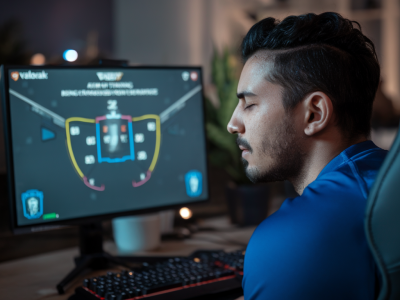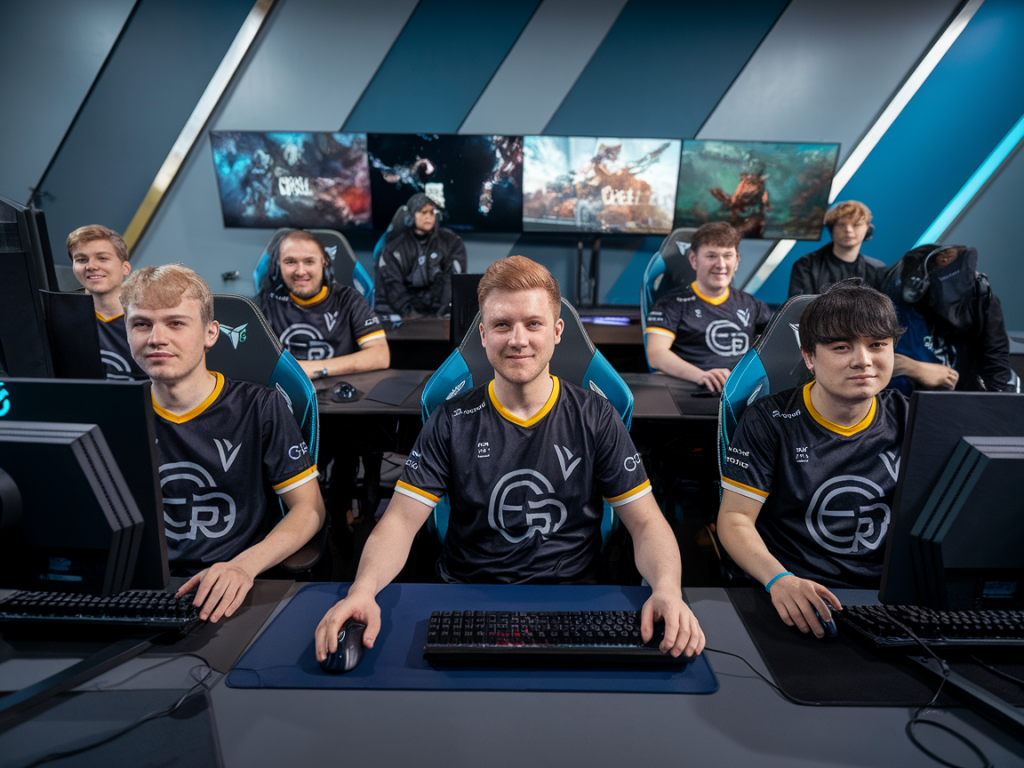
When I started following the competitive scene more closely, I expected the teams at the top to have massive rosters of staff, flashy facilities, and endless sponsor logos. What surprised me—and kept me fascinated—was how many underdog orgs punch above their weight by doing a few things really well. Over the years of playtesting, coaching friends, and talking with players and team owners, I've seen that winning cultures don't require huge budgets; they require clear values, smart systems, and relentless focus on people. Here’s how smaller esports organizations build sustainable, competitive cultures without spending like a major franchise.
Hiring for fit over hype
One of the first things I advise new orgs to do is hire for cultural fit, not just raw stats or a flashy social following. A player with a slightly lower mechanical rating who communicates, accepts feedback, and shows consistency will often help the team progress faster than a high-skill star who creates friction.
Practical hires look like:
Tip: During trials, prioritize scenarios that reveal temperament—scrims under pressure, role swaps, or scripted mid-game setbacks—to see how candidates react in practice, not just in highlight reels.
Structure your practice with purpose
When budget is tight, time becomes your most valuable currency. Random scrims and aim training won't create breakthroughs unless they serve a clear plan. I encourage teams to break practices into focused blocks:
Consistency beats sporadic long sessions. A two-hour practice done five days a week with precise objectives is more effective than occasional marathon days.
Lean analytics: data that actually moves the needle
You don't need a full data science team to glean advantages. Focus on a few high-leverage metrics and combine them with human context. Examples I've used with semi-pro teams:
Simple dashboards built with Google Sheets, shared folders of highlight clips, and session-by-session scorecards often provide more traction than expensive platforms if the team engages with the outputs. Set a weekly analytics meeting where one person presents 3 clips and 2 metrics tied to practice goals.
Psychological safety and small-team rituals
Creating an environment where players feel safe to fail publicly is one of the biggest differentiators I see. Small orgs can be nimbler in establishing rituals that reinforce trust:
Rituals don’t need funding—just commitment. When players see leaders modeling vulnerability (admitting mistakes, asking for help), the culture shifts from blame to growth.
Cross-training and role flexibility
Underdog teams often gain an edge by cultivating versatility. Teaching players a secondary role or position reduces strategic predictability and increases resilience when a player is off-form or unavailable.
How to implement cross-training affordably:
Content and community as alternative revenue and scouting
Big sponsorships aren’t the only way to fund a team. I’ve seen smaller orgs grow sustainable support by leaning into content and community:
Content builds organic sponsorship appeal—brands want engaged audiences, not just follower counts. Community events also double as talent pipelines; local players who compete in open cups are ready-made trials candidates.
Smart partnerships and in-kind support
If cash is tight, think barter. I’ve watched teams secure practice space, custom mice pads, or travel credits through in-kind deals with local gaming cafes, hardware retailers, or streaming platforms. Offer value in return: co-branded events, product testing videos, or data insights on audience engagement.
Brands to consider approaching:
Leadership: clarity beats charisma
Great leaders in underdog teams make clear, repeatable decisions. That means documented processes for substitution, practice scheduling, and conflict resolution. When everyone knows the playbook and consequences, the team spends less time second-guessing and more time improving.
Key documents to draft first:
Scouting and development pipeline
Smaller orgs often win by investing in growth. Instead of trying to buy top talent, cultivate it. Run monthly tryouts, create mentorship pairings between veterans and prospects, and keep a small "academy" roster for experimental lineups.
Why this works: developing players internally aligns culture and reduces the risk of roster chemistry issues that come with quick external hires.
Examples that stick with me
I’ve talked to teams that turned a $5,000 annual budget into consistent top-8 finishes by ruthlessly prioritizing the things above—structured practice, role clarity, and community-first content. One org I followed used a simple Google Sheet tracker and a weekly “three goals” rule to go from inconsistent qualifiers to a stable regional contender in under a year. Another leveraged a local PC café partnership to secure practice times and recruited two key starters from the café’s weekly cup.
If you're running or joining a smaller org, start by documenting your values, setting a reproducible practice structure, and building simple analytics that the team actually uses. Money helps, but culture and systems are the engines that keep teams moving—and those can be built with time, attention, and intention.