I’ve spent thousands of hours in chairs that promise championship comfort and a handful of chairs that actually delivered. As someone who tests gear, tunes setups, and grinds practice sessions with competitive players, I care about more than just branding and RGB — I’m looking for seating that supports posture, accelerates recovery, and protects long-term performance. Here’s what pro players and I look for when choosing a gaming chair, and how each feature translates into real results during long practice days and tournament blocks.
Posture: the baseline for consistent performance
Good posture isn’t aesthetic — it’s functional. When your spine is supported correctly, breathing is more efficient, neck strain drops, and micro-adjustments that wear you down over hours are reduced. For me and most pro players, that means a chair that enforces a healthy lumbar curve and supports a neutral pelvis position so shoulders and neck don’t have to compensate.
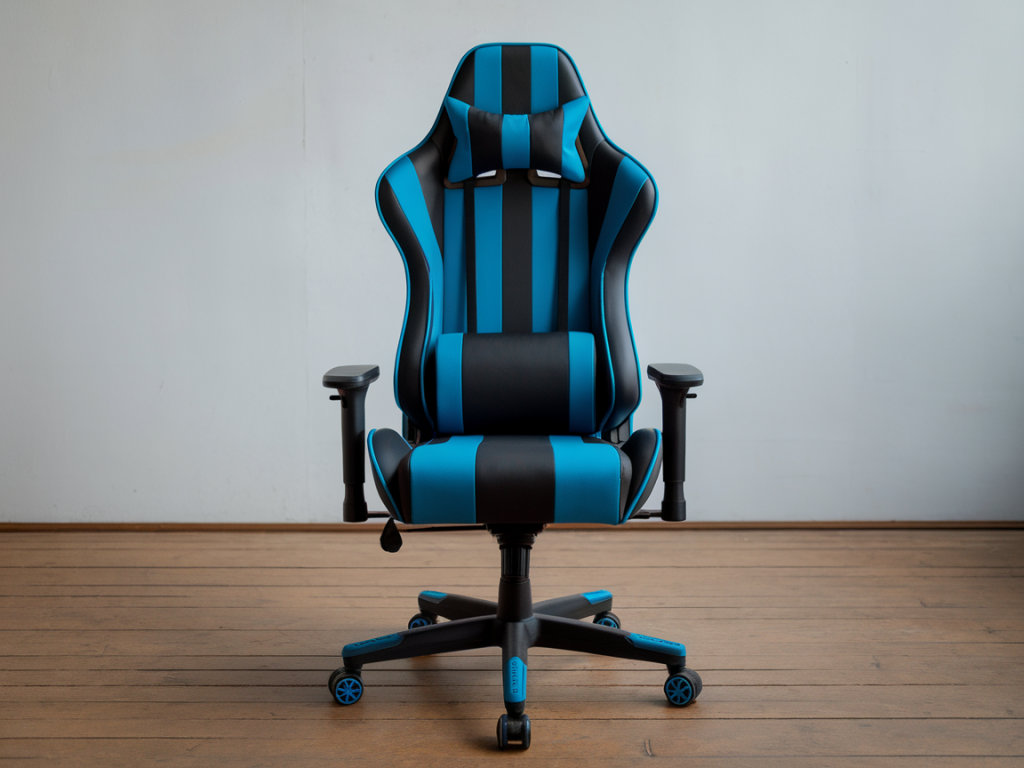
- Lumbar support: Adjustable lumbar is non-negotiable. I prefer chairs with a height and depth adjustable lumbar pad (Secretlab Titan Evo and Noblechairs Hero do this well) or chairs with a well-designed built-in lumbar (Herman Miller Embody approaches this from a biomechanical angle). The ability to fine-tune lumbar prevents the low-back fatigue that wrecks focus in the final hour of a scrim.
- Seat tilt and depth: A slight forward tilt option and seat-depth adjustment help keep the hips in a neutral position. If your thighs are unsupported or your pelvis tips back, your lower back and hamstrings compensate — leading to slouching and micro-tension.
- Head and neck support: A good headrest or the right height and recline to keep the cervical spine aligned reduces neck pain. Some pros actually ditch traditional pillows and use thin, contoured neck supports to prevent forward head posture during intense rounds.
Recovery: how a chair helps you bounce back between sessions
Recovery isn’t just what you do after a tournament — it’s the small things the chair enables between maps. Effective chairs facilitate blood flow, reduce pressure points, and allow short postural resets that add up to better recovery across a training day.
- Breathable materials: Mesh or perforated covers help regulate heat. I prefer hybrid designs: a supportive foam base with a breathable cushion top. Overheated skin leads to sweating, irritation, and distracted focus — not something you want when practicing aim routines for hours.
- Pressure distribution: High-quality cold-cure foam or multi-density layers spread pressure across the pelvis and ischial tuberosities. Memory foam can feel luxurious initially but may compress and hold heat over long sessions; cold-cure foam keeps shape and rebound that aid circulation.
- Mobility and micro-movement: A chair that allows controlled movement (tilt, rock, pivot) prevents stiffness. I often rock gently between matches to stimulate circulation; chairs with adjustable tilt tension let you lock into a steady position for aim-heavy play or let your body move when you need recovery.
Long-term performance: durability, ergonomics, and maintenance
Pro players don’t buy chairs every season. Long-term performance is about build quality, serviceability, and how well the chair maintains its ergonomic properties after months of use.
- Frame and base: A strong aluminum base and steel frame resist sagging. Plastic bases are lighter and cheaper but can flex over time. Weight capacity matters: ensure the chair’s rating matches your use case (many pro chairs are rated 150–300+ kg depending on the model).
- Cover material: PU leather, genuine leather, fabric, and mesh each have tradeoffs. PU leather looks clean and is easy to wipe, but it can crack after heavy use if the foam compresses. Fabric breathes well and is forgiving but can stain. I’ve learned to pick a material that matches my climate: breathable fabric in hot regions, high-grade leather in cooler studios.
- Serviceability and warranty: Top-tier brands back their chairs with multi-year warranties and replacement parts. If the gas lift or casters fail, being able to replace parts rather than replace the chair is a pro-level economy move.
Adjustability: customization over one-size-fits-all
No two bodies are the same, and pros demand chairs that can be tuned precisely. Here are the adjustability features that matter most to me and the players I work with.
- 4D armrests: Height, depth, angle, and width adjustments let you align armrests to your desk and mousepad height, preventing shoulder hunch and wrist strain.
- Seat height and tilt lock: Micro-height steps and a solid tilt lock let you find the sweet spot for both reactive aim and relaxed viewing.
- Recline range: A wide, stable recline helps with breaks and mental resets. I often recline to 135–150° between matches to decompress the spine — but you also want a secure lock for intense play.
Practical features pros actually use
- Caster quality and floor type: Smooth, matched casters with a quiet roll change how you reposition for desk space or team comms. Soft casters for hard floors, and hard casters for carpet, are worth swapping in.
- Integrated cable management pockets: Little touches like a loop for headphones, a pouch for mobile, or an easy-to-reach pocket for hydration are surprisingly useful in a tournament setting.
- Easy-to-clean surfaces: Removable covers or wipeable surfaces save time in shared team houses and bootcamps.
What I test in practice sessions
When I evaluate chairs with pro players, I simulate realistic sessions: aim trainers for 30–45 minutes, tactical scrims, then a recovery and review block. I pay attention to:
- How chest and rib mobility feels after two hours (affects breathing and endurance).
- Neck fatigue after extended screen focus — is the headrest helping or encouraging forward tilt?
- Seat compression after multiple sessions — does lumbar support become ineffective?
- How quickly posture resets feel during short breaks — can the player decompress without standing up for five minutes?
Quick comparison table: features vs. what they help
| Feature | Why pros care |
|---|---|
| Adjustable lumbar | Maintains neutral spine, reduces low-back fatigue |
| 4D armrests | Prevents shoulder and wrist strain, aligns to desk height |
| Cold-cure foam | Durable shape, better pressure distribution for long sessions |
| Breathable cover | Improves comfort and focus by regulating heat |
| Aluminum base | Reduces sag and improves longevity |
Brands and models I reference in testing
Brands don’t make the player — but they matter for consistency. I regularly test and recommend chairs from Secretlab (Titan Evo), Noblechairs (Hero), and Herman Miller (Embody/Embody x Logitech). Each represents a different approach: Secretlab hits the balance of adjustability and price, Noblechairs focuses on premium materials and firmness, and Herman Miller invests in clinical ergonomics. The right pick depends on your body, your studio climate, and how many hours you need the chair to perform like new.
Final practical tips I give pro players
- Test with your desk and peripherals: Sit in the chair with your actual desk height and mousepad. A chair that feels great alone can break your posture if the armrests push your shoulders up relative to the desk.
- Practice micro-breaks: Every 45–60 minutes, do a two-minute reset: stand, roll shoulders, tilt back and breathe. The best chair is one that makes these resets easy and effective.
- Invest in a footrest if needed: Slightly elevating feet can change pelvic tilt and reduce lumbar strain for some players.
- Rotate and maintain: Lubricate moving parts, swap casters for the floor type, and replace worn cushions — small upkeep extends performance dramatically.